General Flooring Options Explained: Hardwood, Vinyl, Laminate, and Carpet
People seeking flooring installation often want expert help to properly install hardwood, vinyl, laminate, or carpet, and local service providers can ensure a quality, lasting result.
Understanding the different options in flooring, such as hardwood, vinyl, laminate, and carpet, is an important step for property owners looking to enhance their spaces. Each material offers distinct benefits in terms of appearance, durability, and maintenance, making it essential to select the right choice for specific needs and lifestyles. Whether renovating a home or upgrading a commercial property, exploring these general flooring options can help ensure a functional and attractive result. Local contractors who specialize in flooring installation can provide valuable insights and professional expertise to help make the best decision for any property.
For those interested in practical, long-lasting solutions, knowing the differences between these flooring types can guide smarter choices. From the natural elegance of hardwood to the versatile affordability of vinyl, each option has unique qualities suited to various environments. Connecting with experienced service providers ensures that the installation process aligns with the specific characteristics of each material, ultimately delivering a finished look that meets expectations. Keep reading to learn more about these common flooring options and how local specialists can assist in bringing your vision to life.
- **Hardwood flooring installation** - ideal when homeowners want a durable, classic look and local contractors focus on precise measurement and careful handling for a seamless finish.
- **Vinyl flooring installation** - suitable for high-traffic areas or moisture-prone spaces, with service providers emphasizing proper subfloor preparation and secure adhesion.
- **Laminate flooring installation** - chosen for affordability and ease of installation, with local pros ensuring proper acclimation and tight fitting of planks.
- **Carpet installation** - often needed in bedrooms or living rooms for comfort, with local contractors focusing on padding and secure stretching for a smooth surface.
- **General flooring options explained** - help consumers understand the different materials and how local service providers can assist in choosing and installing the right flooring for each space.


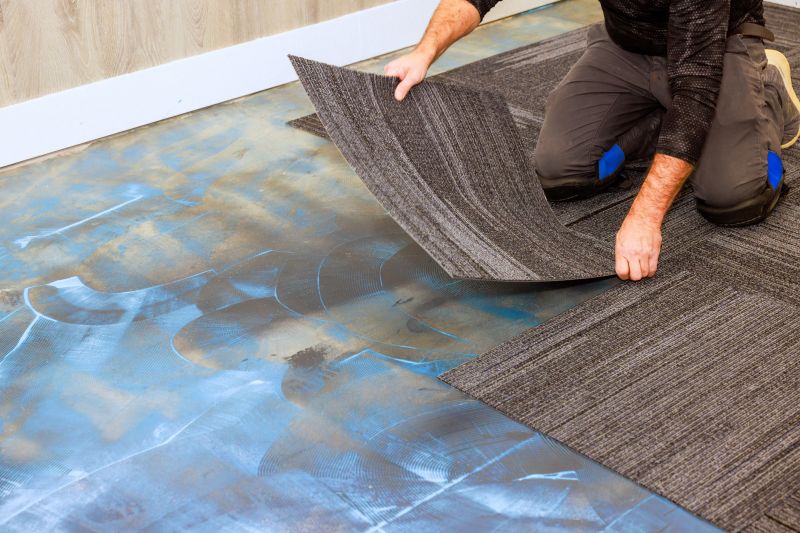
When searching for information on general flooring options explained: hardwood, vinyl, laminate, and carpet, homeowners often seek to understand the differences in material characteristics, appearance, and suitability for various spaces. Many are planning renovations or new installations and want to compare options to find the best fit for their lifestyle, aesthetic preferences, and budget. This topic frequently relates to projects involving upgrading living rooms, bedrooms, or even high-traffic areas like hallways and kitchens. Understanding the strengths and limitations of each flooring type helps homeowners make informed decisions and better communicate their needs to local contractors who can handle the installation.
Hardwood flooring is a popular choice for those seeking a natural, timeless look that adds warmth and elegance to a property. It is often selected for living rooms, dining areas, and bedrooms, especially in homes with a traditional or upscale style. Vinyl flooring, on the other hand, is known for its durability, water resistance, and ease of maintenance, making it suitable for kitchens, bathrooms, or basements. Laminate flooring offers a middle ground, providing the appearance of hardwood or stone at a lower cost, and is frequently used in areas with moderate foot traffic. Carpet remains a common choice for bedrooms and cozy spaces, offering comfort and sound insulation, especially in residential properties.
The types of properties that come up in discussions about general flooring options explained: hardwood, vinyl, laminate, and carpet, vary widely. Many homeowners consider these options for single-family homes, apartments, or condos, each with different needs and priorities. Commercial properties, such as offices or retail spaces, may also feature vinyl or laminate for their durability and ease of upkeep. The choice of flooring often depends on the specific room function, foot traffic levels, and the overall design style of the property. Local service providers experienced in installing these materials can help evaluate the space, recommend suitable options, and ensure the flooring is properly installed to meet the property's demands.
Connecting with local flooring installation pros is an essential step in turning a flooring plan into reality. These professionals bring expertise in handling different materials, ensuring proper preparation, and delivering a finished look that enhances the property's value and appearance. Homeowners should consider consulting with local contractors to explore the best options for their specific property type and lifestyle needs. Whether choosing hardwood for a classic appeal, vinyl for water-prone areas, laminate for affordability, or carpet for comfort, experienced installers can help achieve a seamless, durable result that aligns with the homeowner's vision.
Flooring removal projects - removing existing flooring materials requires similar skills and tools to prepare surfaces for new installations like hardwood, vinyl, laminate, or carpet.
Subfloor preparation - ensuring a smooth, level surface is essential for proper flooring installation and involves planning and tools common to various flooring types.
Underlayment installation - installing underlayment for soundproofing or moisture barrier purposes shares techniques used in laying laminate, vinyl, or carpet padding.
Room remodeling projects - transforming interior spaces often involves flooring upgrades, requiring coordination of planning, surface prep, and installation services.
Flooring repair services - fixing damaged sections of existing floors involves similar assessment and repair skills applicable across different flooring options.
Surface leveling and smoothing - preparing subfloors to ensure even, durable flooring installation is a common step across all flooring installation projects.
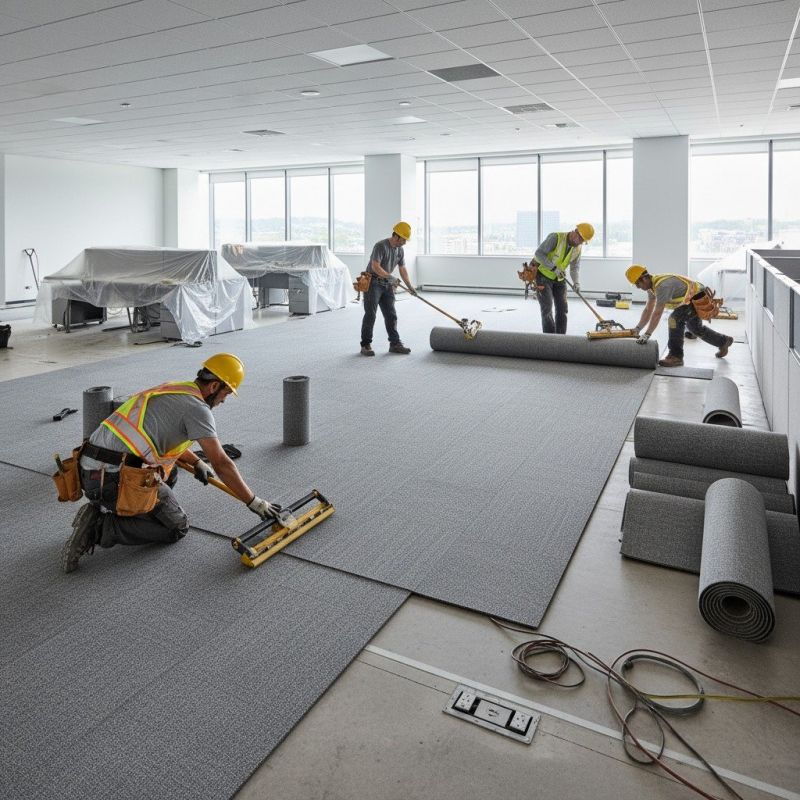
When evaluating local contractors for flooring installation, it is important to consider their experience with similar projects involving various flooring options such as hardwood, vinyl, laminate, and carpet. A contractor with a proven track record of handling diverse flooring types can demonstrate familiarity with the specific requirements and challenges associated with each material. This experience often translates into more reliable results and a smoother installation process, ensuring that the chosen flooring option is installed correctly and performs well over time.
Clear, written expectations are a key factor when comparing service providers. A reputable local contractor should be able to provide detailed documentation outlining the scope of work, materials used, and the projected timeline. This transparency helps prevent misunderstandings and ensures that both parties are aligned on the project’s goals. Homeowners should seek contractors who are willing to discuss the details openly, answer questions thoroughly, and put everything in writing to establish a solid foundation for the project.
Reputable references and effective communication are vital indicators of a dependable flooring installation service. Contractors with positive references from previous clients can offer insights into their professionalism, craftsmanship, and reliability. Good communication throughout the process helps address concerns promptly and keeps the project on track. When comparing local service providers, it’s beneficial to ask for references and observe how easily and clearly they communicate, as these qualities can significantly impact the overall experience and satisfaction with the completed flooring.
Property owners often search for general flooring options explained: hardwood, vinyl, laminate, and carpet when they are planning practical projects around their homes and businesses. Local pros provide Flooring Installation services for everyday jobs and straightforward project options.

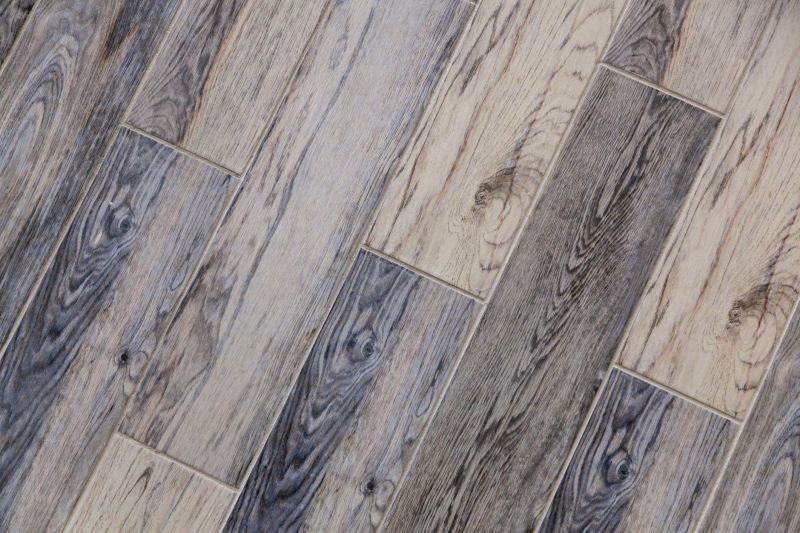
Understanding the different types of flooring options, such as hardwood, vinyl, laminate, and carpet, can help property owners make informed decisions when updating or installing new floors. For many in the area, choosing the right flooring depends on factors like durability, style, and maintenance needs. Local contractors are experienced in helping clients evaluate these options based on their specific project requirements, whether it’s a renovation, a new build, or simply refreshing a room.
When considering flooring installation, property owners often seek guidance on which material best suits their lifestyle and space. For example, hardwood offers a classic look but may require more care, while vinyl and laminate provide versatile, budget-friendly alternatives. Carpet can add warmth and comfort, especially in bedrooms or living areas. Connecting with local service providers ensures that the installation process aligns with the chosen flooring type, helping to achieve a finished result that meets both aesthetic and practical needs.
What are the main differences between hardwood, vinyl, laminate, and carpet flooring? Each flooring type offers unique characteristics: hardwood provides natural beauty and durability; vinyl is water-resistant and versatile; laminate mimics hardwood at a lower cost; and carpet offers softness and insulation. Local contractors can help determine which option best suits specific needs and preferences.
How do I choose the right flooring type for a particular room? Factors such as room usage, moisture levels, and desired aesthetics influence the best choice. Experienced service providers can assess the space and recommend suitable flooring options based on practical considerations and style preferences.
Are there differences in installation methods for these flooring options? Yes, each type requires different installation techniques, such as nail-down, glue-down, or floating methods. Skilled local contractors are equipped to handle the specific installation requirements for hardwood, vinyl, laminate, or carpet flooring.
What maintenance is needed for each type of flooring? Maintenance varies: hardwood needs regular cleaning and occasional refinishing; vinyl and laminate are low-maintenance and easy to clean; carpet requires regular vacuuming and periodic deep cleaning. Local service providers can advise on proper care to prolong the flooring's lifespan.
Can local contractors help with removing old flooring before installing new options? Yes, experienced flooring installers can handle the removal of existing flooring and prepare the subfloor for new installation, ensuring a smooth and proper transition between old and new flooring materials.
Hardwood flooring installation can enhance the elegance of living rooms or dining areas, with local contractors providing expert guidance on choosing the right wood type and finish. Vinyl flooring options are suitable for kitchens or bathrooms, where durability and water resistance are priorities, and service providers can ensure proper installation. Laminate flooring services are ideal for high-traffic areas like hallways or offices, offering a cost-effective way to achieve a stylish look with professional help. Carpet installation can add comfort to bedrooms or family rooms, with local contractors assisting in selecting the right pile and padding for everyday use.
If you are thinking about general flooring options explained: hardwood, vinyl, laminate, and carpet for a property, this guide is meant to help you understand this topic, the typical project types, and how different options might fit your plans.
When you are ready, you can use the quote form on this page to share a few details about your project. From there, local pros can review the basics and follow up with options that match what you have in mind.